
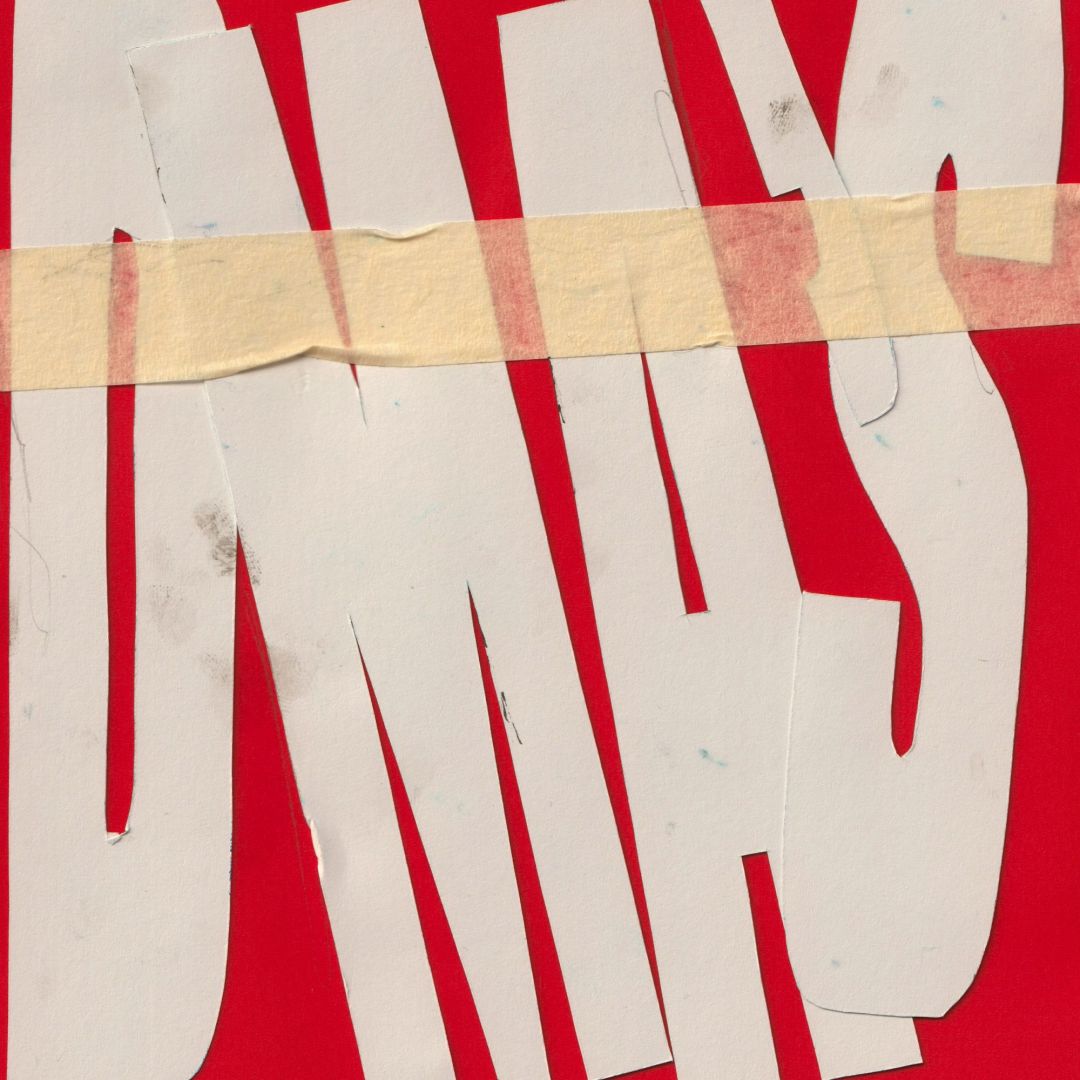
DMA’S return with their self-titled album “DMA’S” bringing a feeling of familiarity without being predictable, nostalgic without looking backwards, and perhaps most importantly, like a band finally free to follow wherever the music takes them.
Ten years on from Hills End, DMA’S have earned the right to simply be DMA’S. No grand reinvention, no desperate attempt to outrun the songs that got them here.
Their fifth album, “DMA’S“, instead feels like a band looking back through the rear-view mirror while keeping their foot firmly on the accelerator.
It starts exactly where you might expect. “El Alamein” arrives with that familiar rush — Tommy O’Dell’s unmistakable vocal cutting through bright guitars and restless momentum before “My Baby’s Place” settles into the kind of effortlessly melodic indie that has made DMA’S so enduring.
There is warmth here, but never complacency because, beneath the familiarity, something has shifted.
“Hurracane” slowly gathers itself before bursting into one of the record’s most expansive moments, while “Killing Time” feels more restless, its repetition becoming almost hypnotic.
Then “Heatin Park” tears open the edges entirely.
The guitars have teeth, the track feels heavier, dirtier, and suddenly the polished familiarity of DMA’S gives way to something rougher around the edges.
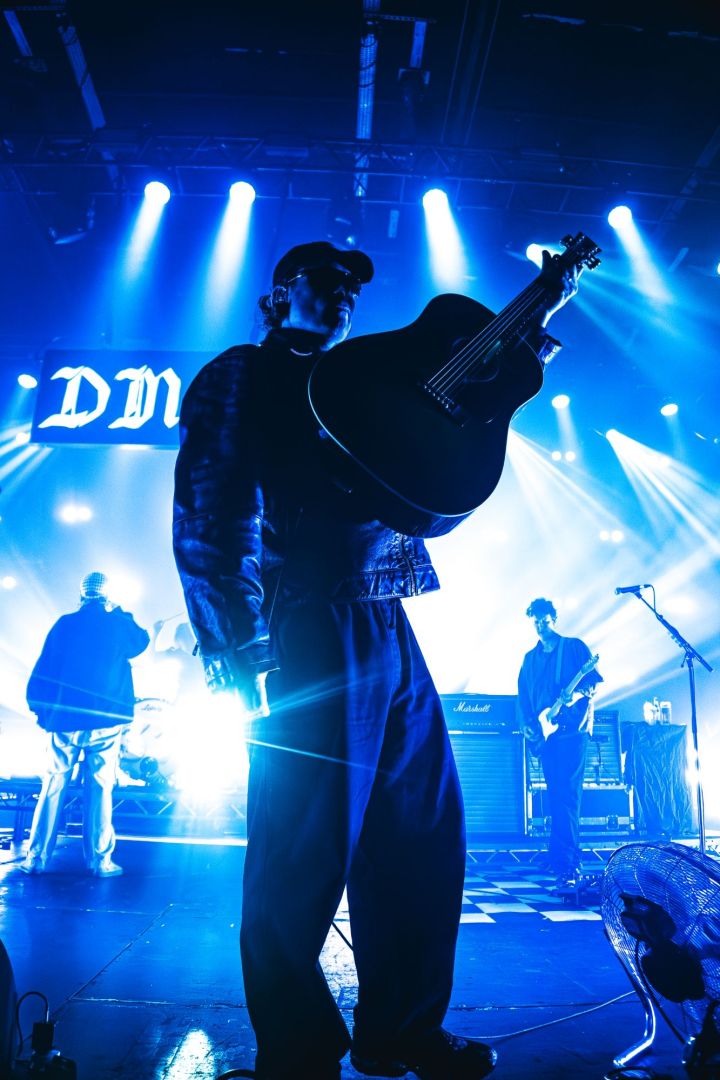
That tension is where the album really lives, breathes, and excites.
However, for every rush forward, there is a moment of reflection. “Emailz” retreats into something quieter and more intimate, while “One & Only” brings the guitars back without sacrificing its tenderness.
It is a record constantly caught between movement and memory; wanting to leave something behind while still turning around to see if it’s following.
And then comes “Dancing Luck”
Acoustic and almost luminous, it feels like sunlight breaking through a record otherwise coated in the grey haze of memory. There is yearning in its simplicity, a fragile optimism that gradually grows into something much bigger.

It is perhaps the clearest indication that DMA’S aren’t interested in being confined by the expectations attached to their name.
“Concrete” restores some of the record’s easy momentum before “Windows” pulls us back into that familiar territory of reflection — the uncomfortable space where moving forward doesn’t necessarily mean letting go.
By the time “Distance” arrives, everything feels strangely cinematic. Not triumphant, exactly. More like the final shot of a film where the credits roll before you quite know whether the ending is happy.
There is beauty in the uncertainty, and it leaves the album suspended rather than neatly resolved.
That feels fitting.

Because “DMA’S” isn’t really about looking backwards, even if nostalgia runs through its veins. It is about what happens when a band becomes comfortable enough with its own legacy to stop being defined by it.
There are still the huge melodies. Still the guitars. Still O’Dell’s voice, capable of turning a simple line into something that feels far larger than itself. But there is also looseness, grit and a willingness to wander slightly off the path.
Ten years in, DMA’S don’t sound like they’re trying to reclaim their past. They sound like they’re finally free to make whatever comes next.