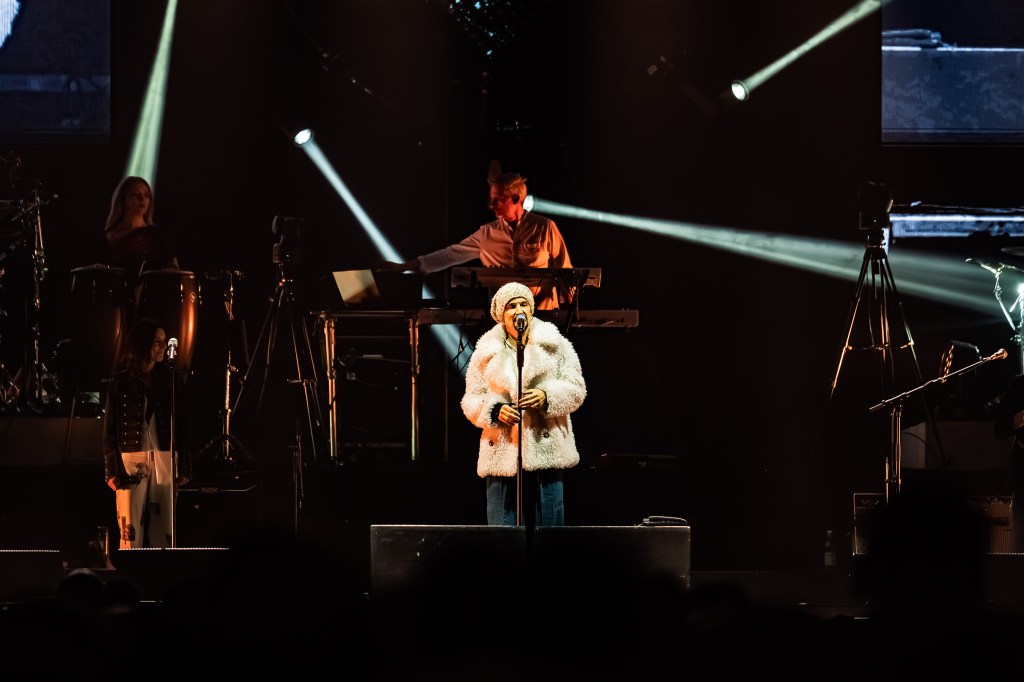
Some festivals try to feel big. A Stone’s Throw feels close — not just in geography, but in intent. By way of salt air, DIY spirit, it is something quietly radical.
There’s a particular kind of energy that only exists on the UK coastline in late May — equal parts optimism and abrasion. It’s that feeling A Stone’s Throw Festival has been quietly bottling since its inception, and in 2026, it looks ready to spill over.
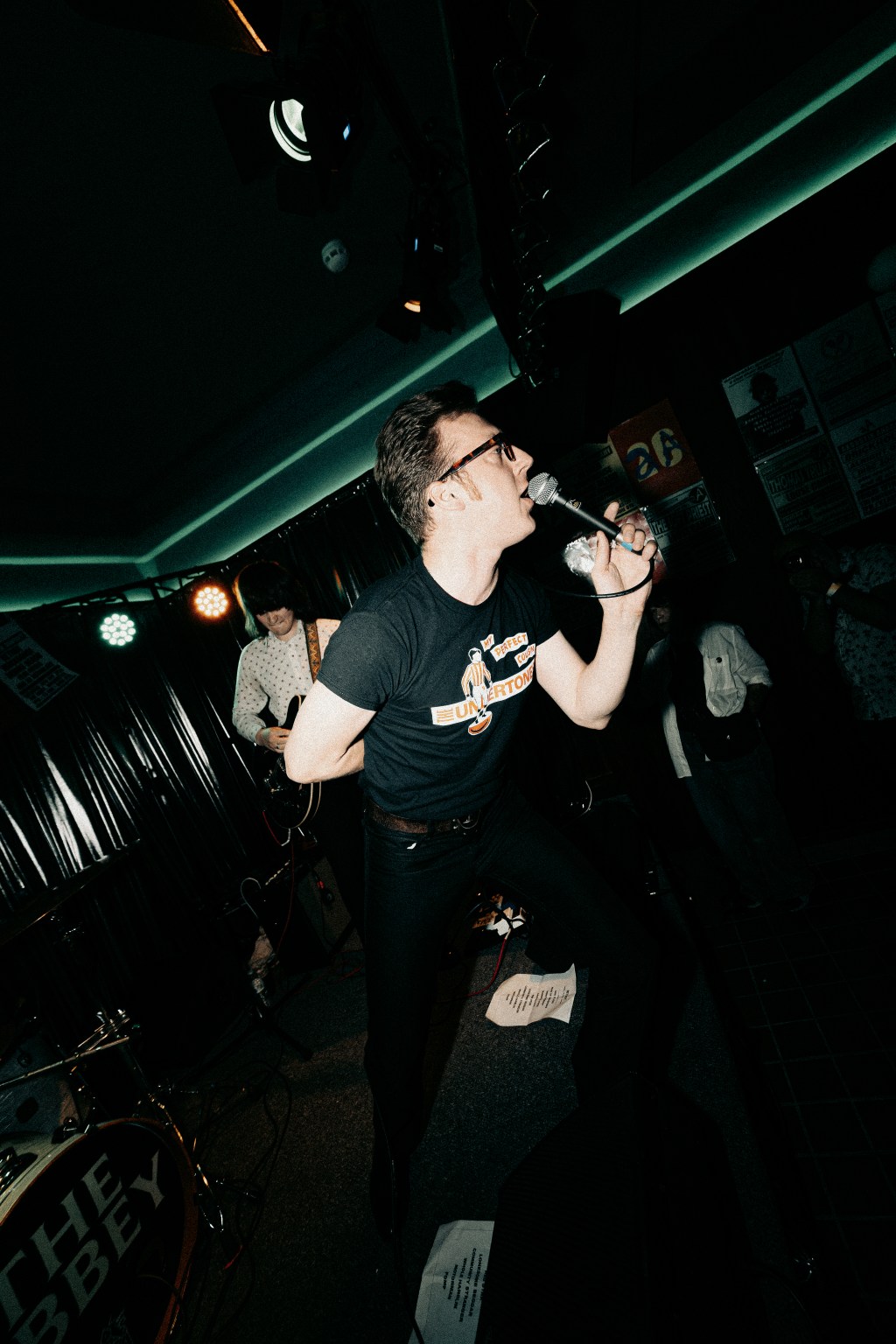
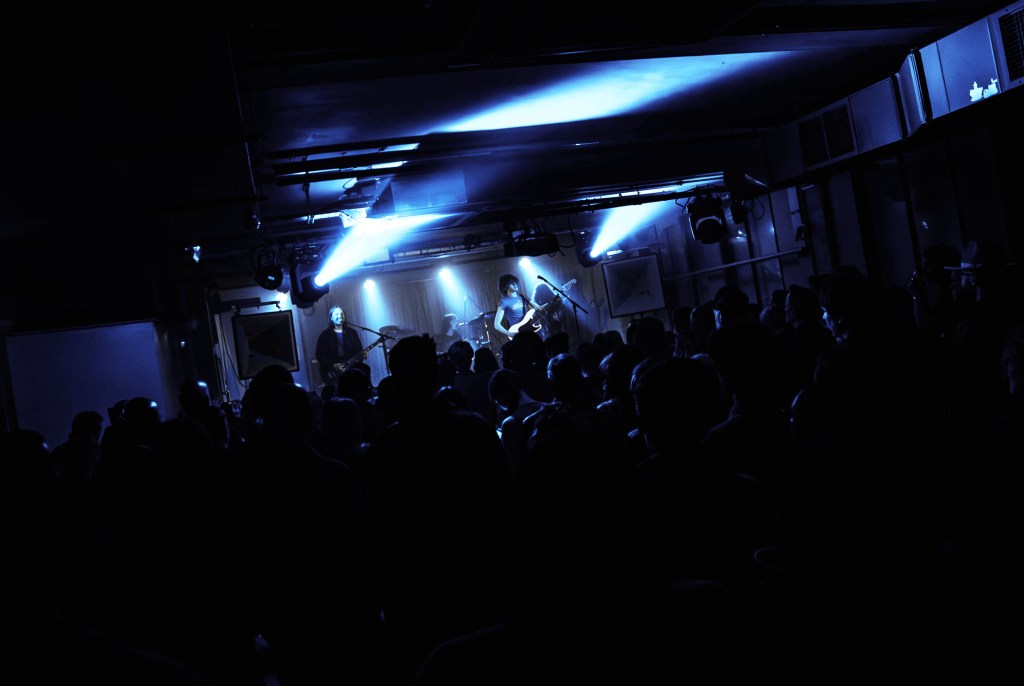
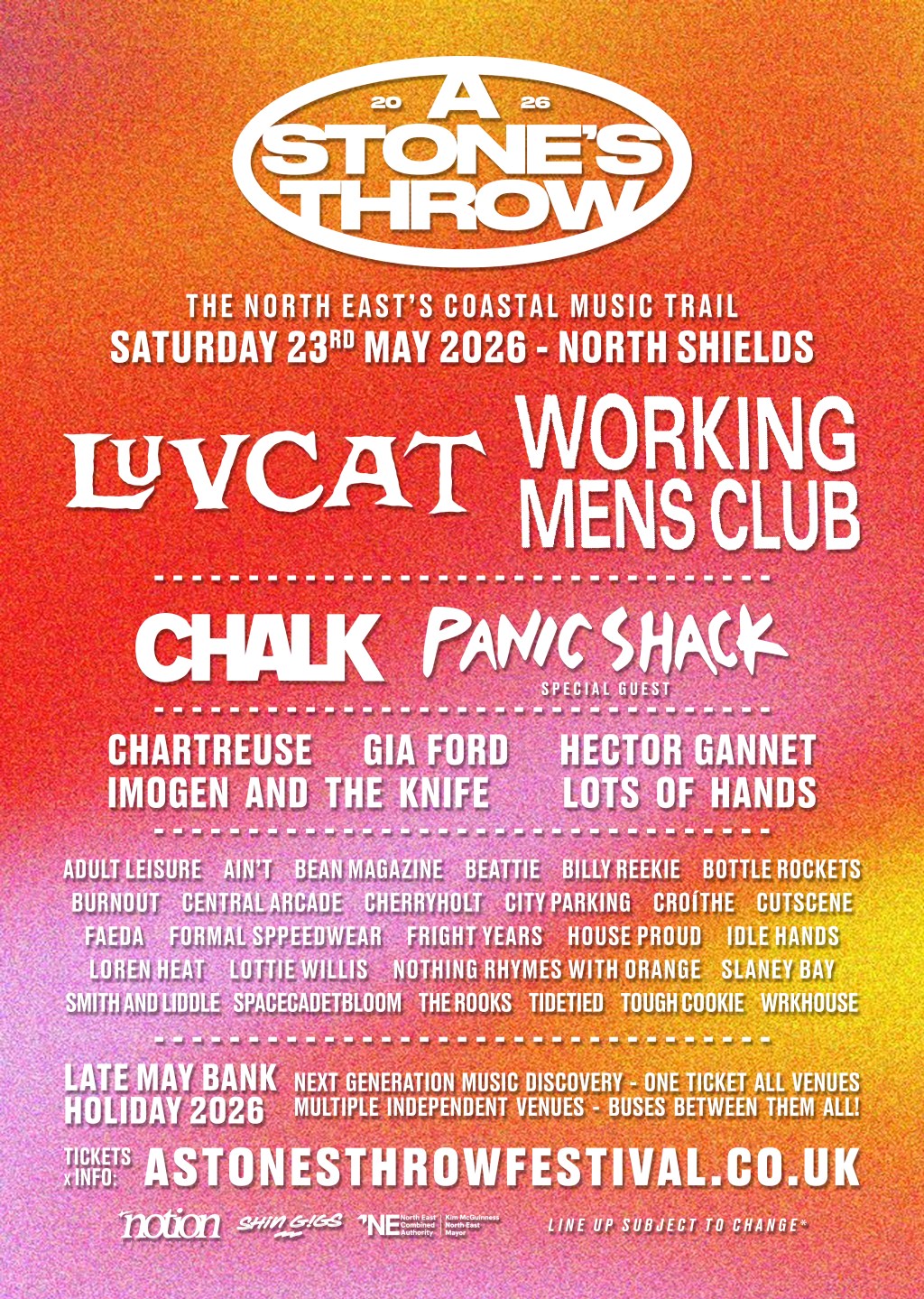
Returning on 23 May 2026 to the harbour town of North Shields, the fourth edition of the festival once again transforms the area into a multi-venue coastal trail, threading together independent spaces, working men’s clubs, and repurposed corners of the town into a living, breathing circuit of new music.
But calling it a “festival” almost undersells it.
Forget barricades and main stages. A Stone’s Throw works laterally. The experience is built on movement — between venues, between sounds, between moments you didn’t plan to stumble into.
Five key spaces — including The Exchange 1856, King Street Social Club and Salt Market Social — anchor the route, all connected by walkable streets and a looping festival bus that feels as integral as any headline slot.
It’s this fluidity that defines the weekend: a choose-your-own narrative where the best set of the day might be the one you hear half of, through a doorway, on the way somewhere else.
A lineup that resists neat categorisation
The 2026 bill leans into that same unpredictability.

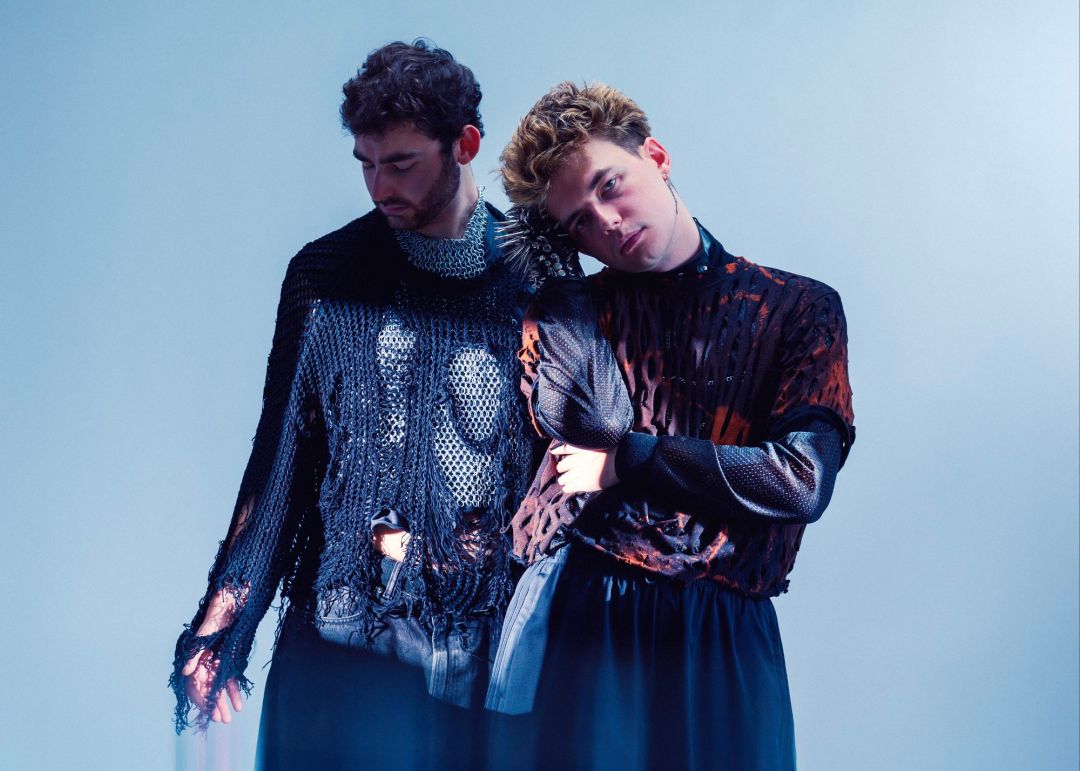
At the top, Luvcat and Working Men’s Club bring two very different interpretations of modern alternative — one steeped in dark-pop theatricality, the other in pulsing, industrial indie electronics.
Elsewhere, the lineup stretches outward:
• Belfast’s Chalk delivering abrasive, forward-facing post-punk
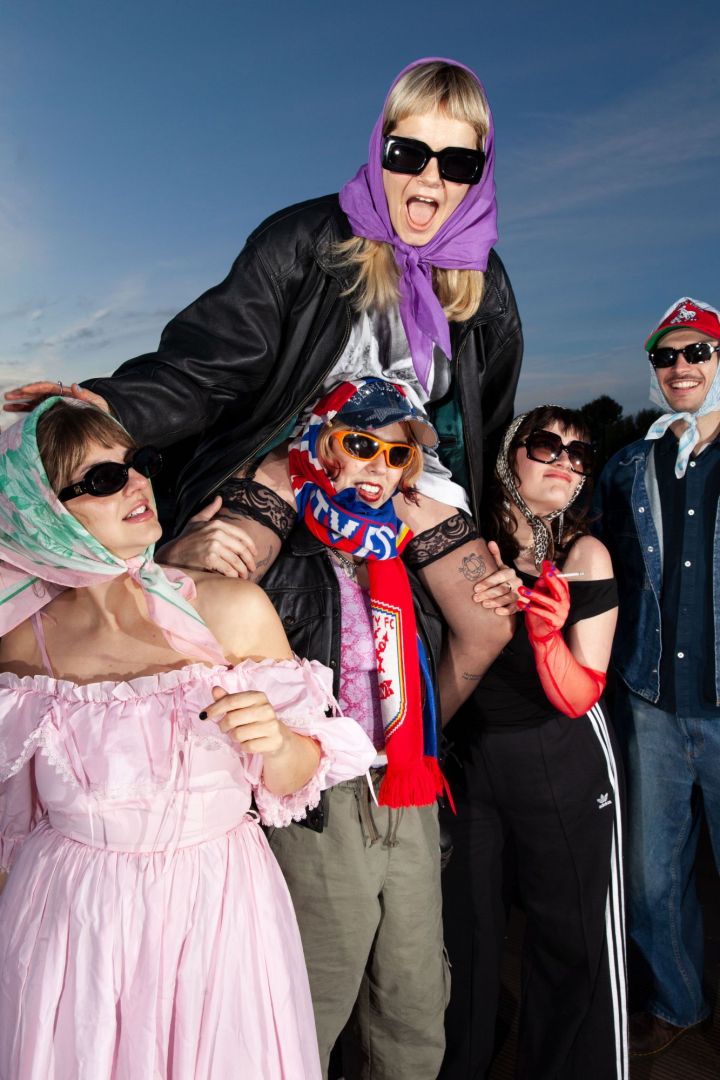
• Welsh firestarters Panic Shack injecting urgency and humour
• Rising voices like Gia Ford, Imogen and the Knife
• Local entries like Hector Gannet grounding the bill in narrative and place
And then there’s the rest — dozens of names that feel less like undercard filler and more like the point itself.
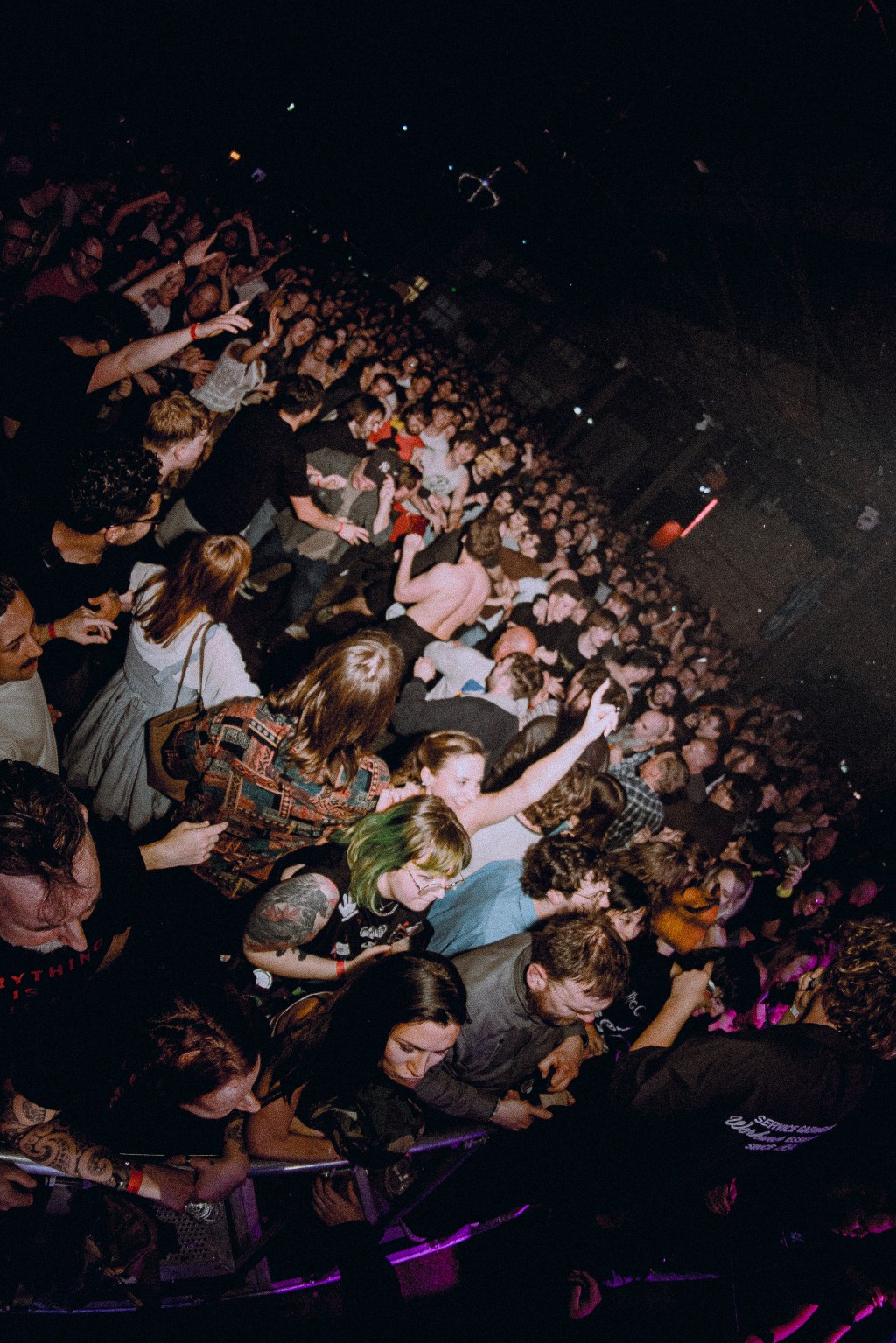
A Stone’s Throw has always been about density over hierarchy.
Built on community, not scale, since launching in 2022, the festival has hosted over 150 artists and turned everything from coffee shops to industrial units into stages.
That origin still shows. There’s an intentional resistance to polish here, a sense that growth hasn’t come at the expense of identity. The quote that floats around the festival — “not just a festival, a lifeline” — doesn’t feel like marketing so much as a mission statement.
In a climate where grassroots venues continue to vanish, A Stone’s Throw isn’t just showcasing them. It’s temporarily rewiring the ecosystem around them.