
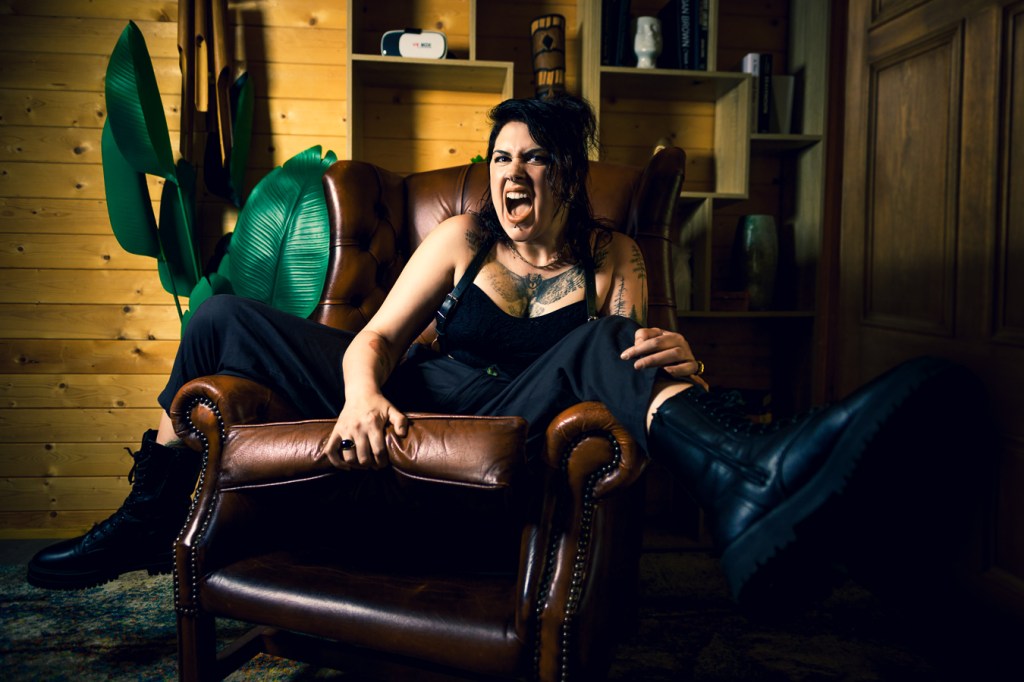
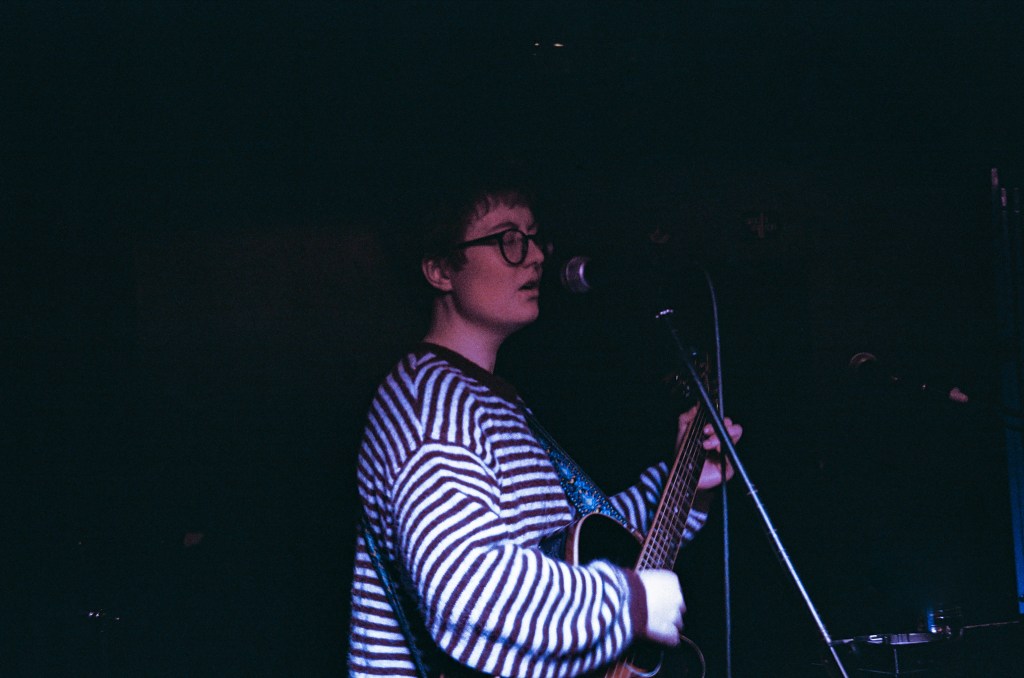
With their fierce blend of punk and ska, London/Norwich based Millie Manders and the Shut Up are hard to ignore.
We recently had the chance to chat with frontwoman Millie, following the band’s return from touring in the EU ; We kicked off by reflecting on some favourite live moments from the band’s journey so far.
They opened the main stage at Slam Dunk two years ago, which Millie described as a “major highlight”. They also played at Beautiful Days, which she joked was so big she “needed an Uber to get from one end to the other.”
In light of it being Independent Venue Week, we naturally turned to the importance of playing smaller venues. Millie spoke fondly about the unique charm of these spaces, the intimacy of which allows for connection between artists and fans:
“I like the intimacy of smaller venues, and I like the fact that you actually have the time to sit and chat to people.”
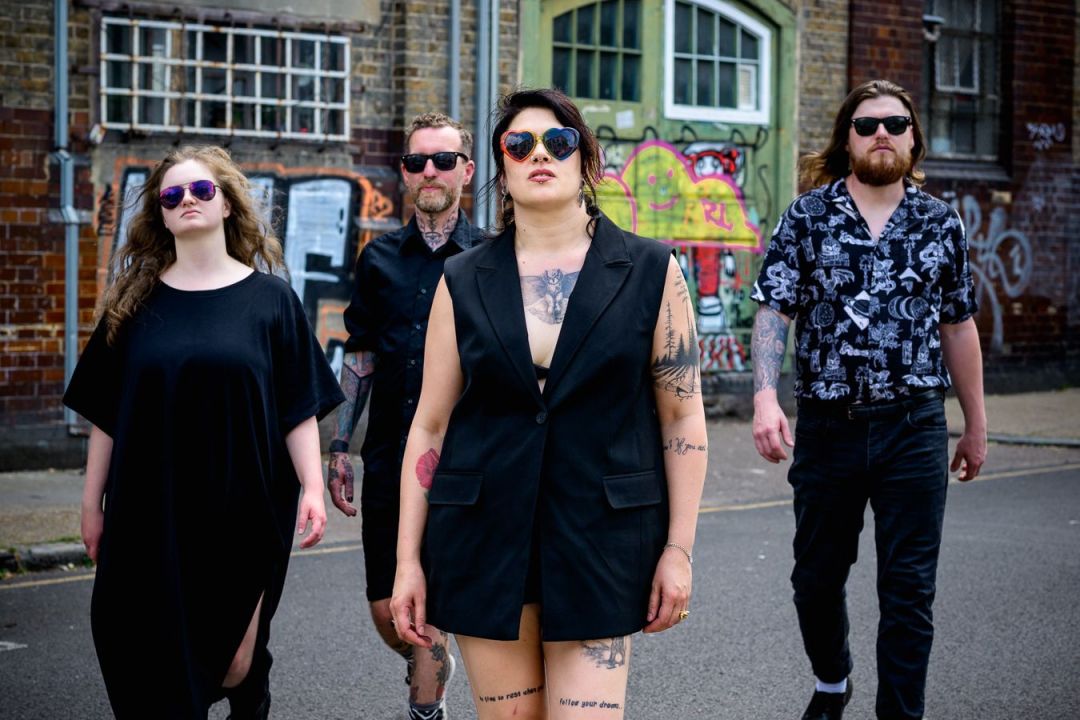
She went on to explain how the band makes a conscious effort to be involved with their fanbase, through spending time with them after shows. That being said, it can be overwhelming sometimes, with Millie admitting she occasionally gets “peopled out”.
When asked to choose a favourite venue, Millie struggled to narrow it down. Leeds’ Key Club was up there, alongside Manchester’s Star and Garter, and Newcastle’s Cluny. One venue stood out, however:
Thekla in Bristol, which is a boat.
“Yeah, it’s an actual boat,” she laughed, “it looks like one of those old maritime kind of vessels, and it’s just permanently moored.”
Millie then shared a vivid memory of playing Alternative Weekend in Senscheid, Germany, which involved a mosh pit and a broken floorboard. Ultimately, there were simply too many venues to choose from, each one having a story attached to it.
“In every town or city in the UK, there is an independent venue that I could sit and tell you all of the things that I love about it, and that’s one of the many reasons that I love touring so much.”
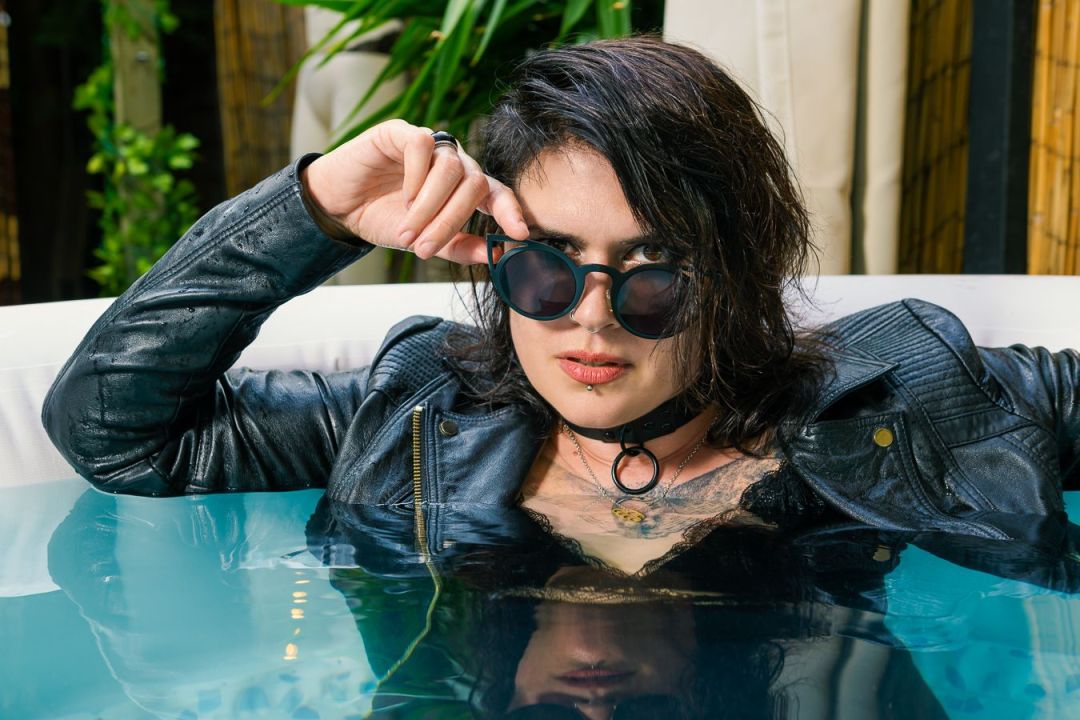
It was nice to reflect on this, given that the grassroots scene is increasingly under threat today. “It’s a scary landscape for any independent musician,” Millie said, with venues up and down the country
closing down.
Still, she pointed to “beacons of hope” such as the Music Venue Trust, emphasising the
importance of the UK charity and its work to protect grassroots music venues.
Recently, the band released a cover of Limp Bizkit’s ‘Break Stuff’ – a self-described “bit of fun,” that pays tribute to their old-school influences.
Speaking on how it all came about, Millie revealed it happened almost accidentally:
“Well, it started off as a bit of a joke. It started off with Joe teasing the opening guitar lines, and then I’d just scream that ‘it’s just one of those days!’ And then [we’d] launch into another song.”
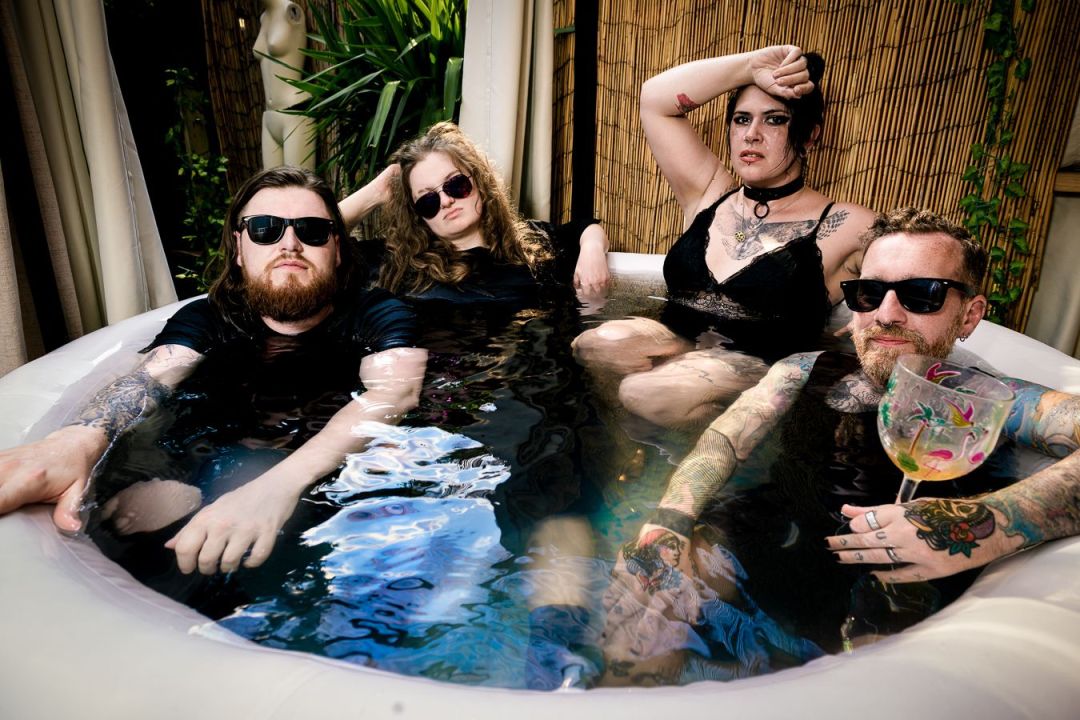
This led us into a conversation about precursors to the band’s distinct sound. Millie described them as a “melting pot” of musical influences, something that is evident in the lists of artists she looks up to.
Influences span nu-metal legends Limp Bizkit, Korn and Rage Against The Machine, through to pop-punk staples blink-182, Paramore, and Green Day. There’s also a clear appreciation for ska, with bands like The Selecter, The Specials and Reel Big Fish shaping their music.
Vocal influences include Stand Atlantic, Skunk Anasie, Pink, even Aretha Franklin – women who Millie described as “f**king oligarchs” of their respective genres. With too many idols to name, she redirected me to her curated Spotify Playlist Badass Punk Women.
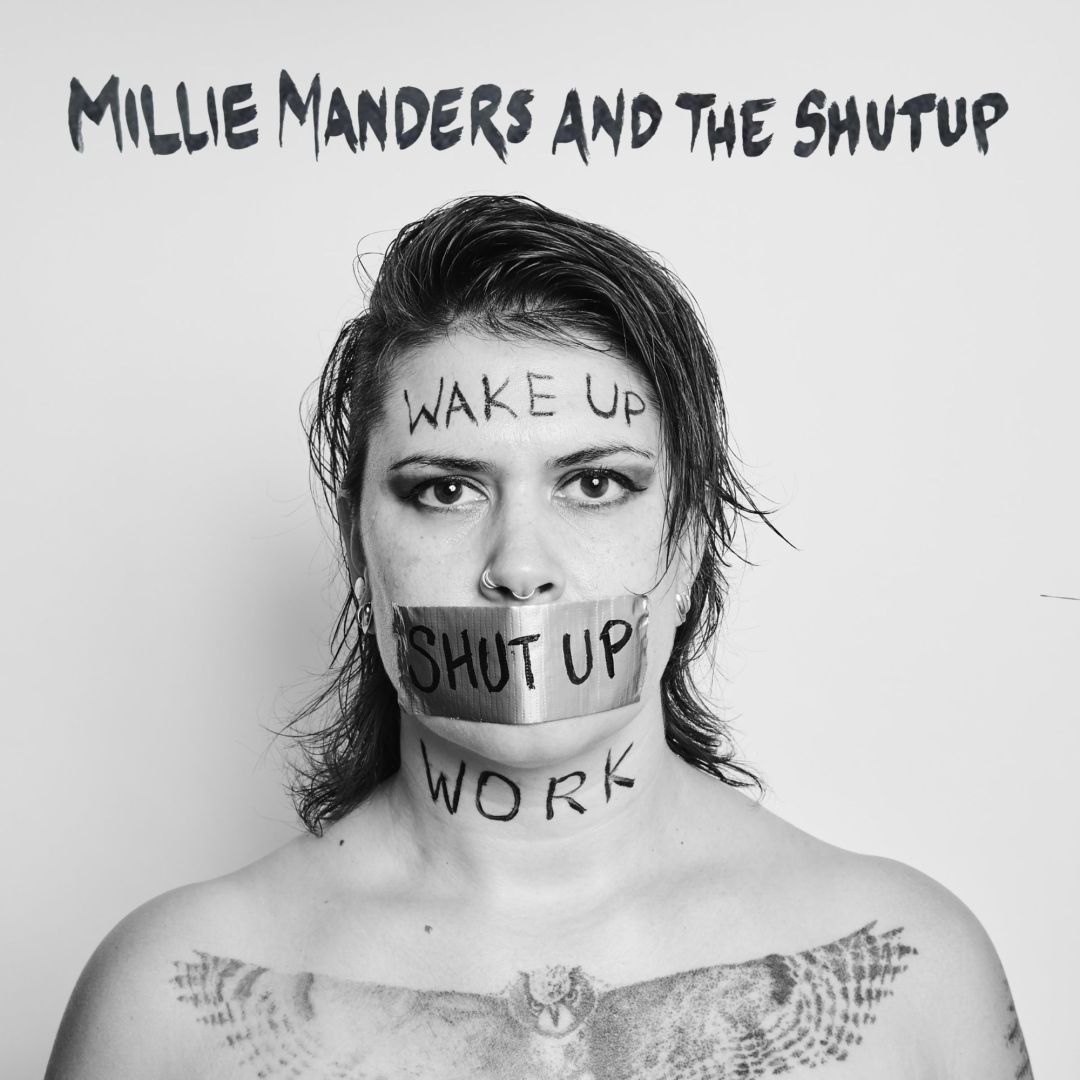
These various influences are channelled into the sucker punch that is Millie Manders and the Shut Up, which can be heard loud and clear on their latest album Wake Up, Shut Up, Work.
Millie naturally leans towards more heavy genres, hence the album’s overarching punk sound. The band’s eclecticism stands out, however, from the horn sections on ‘Angry Side’, to the gentler, classical-style vocals on
‘Halloween’.
Unlike their debut Telling Truths, Breaking Ties, which was largely written individually and developed remotely, Wake Up was a lot more collaborative. The album was a result of some intense writing sessions –
“written in the space of three weeks, with us literally in the same room together. No phones, 10 till 4, writing music.”
Off the back of this, we began discussing Millie’s personal approach to songwriting. Being influenced by so many “politicised punk bands”, it’s no surprise that pressing political issues appear in her songs.
‘Me Too’, for instance, shines a light on victims of sexual and domestic abuse. ‘Can I Get Off?’ is an urgent, state-of-the-world kind of song, exploring not only the injustices happening in Palestine, Sudan and Chad, but calling out the complicity of people who remain silent.
Regarding how these themes manifest in her music, Millie candidly said, “It’s not by choice, it’s just by default [..] my way of expressing and working through my sadness, anger, grief, and pure rage is through lyricism and music. So I cannot help but be political in a lot of my writing.”
With our chat drawing to a close, I had to ask Millie’s favourite song off the new album, which proved even more difficult than choosing a favourite venue.
Her connection to every song is evident, each
one being praised for different reasons – ‘Me Too’ for the money the band managed to raise for sexual abuse and domestic violence charities; ‘Can I Get Off?’ for its impact on listeners’ politics and activism; ‘Halloween’, which allowed Millie’s classical training to shine through; and ‘Rebound’ for its recognition of self-worth.
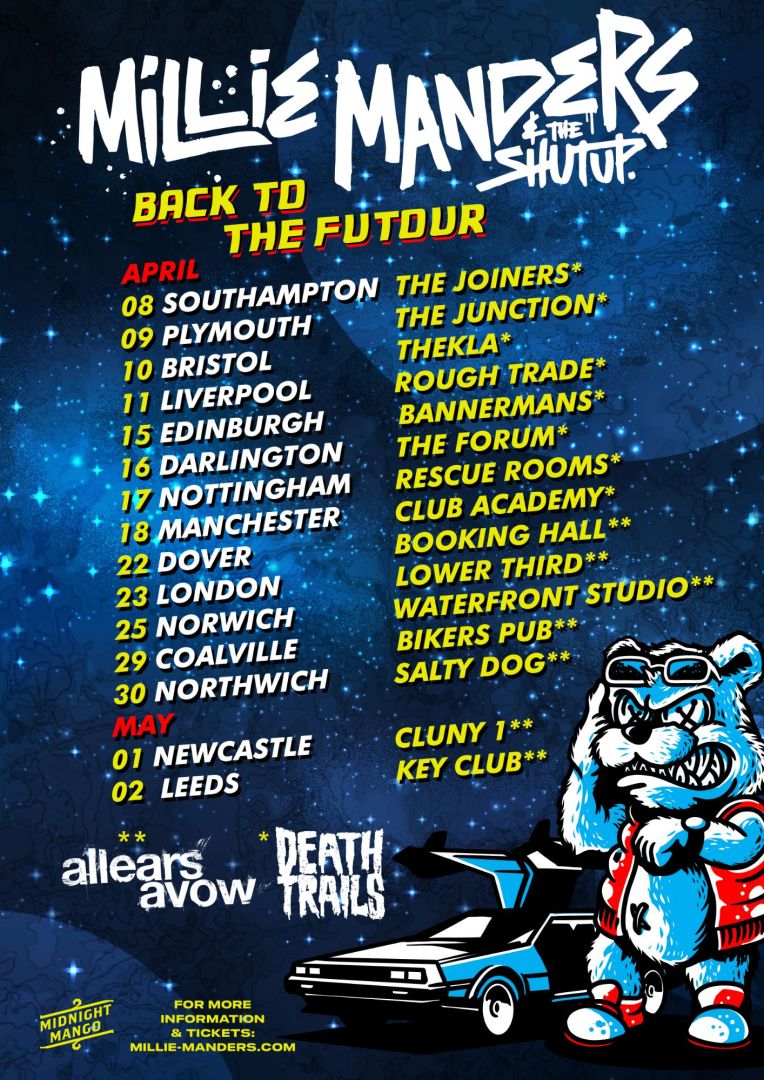
As to what’s next for the band, the year ahead is packed with the upcoming Back to the Futour, and preparing for festival season. They are already teasing a third album, from which we can expect the melting pot of collaborative influences to grow.
The Back to the Futour UK tour begins on April 8th in Southampton, and the full list of dates can be found on the band’s website. Until then, Wake Up, Shut Up, Work hits hard – and it’s available to stream everywhere.
 Umbra Music